Lynn Drywall & Plaster

Drywall Services in Lynn, MA

Residential and commercial drywall — each entry links to a full breakdown of cost, process, and what to expect.

Mold Drywall Replacement

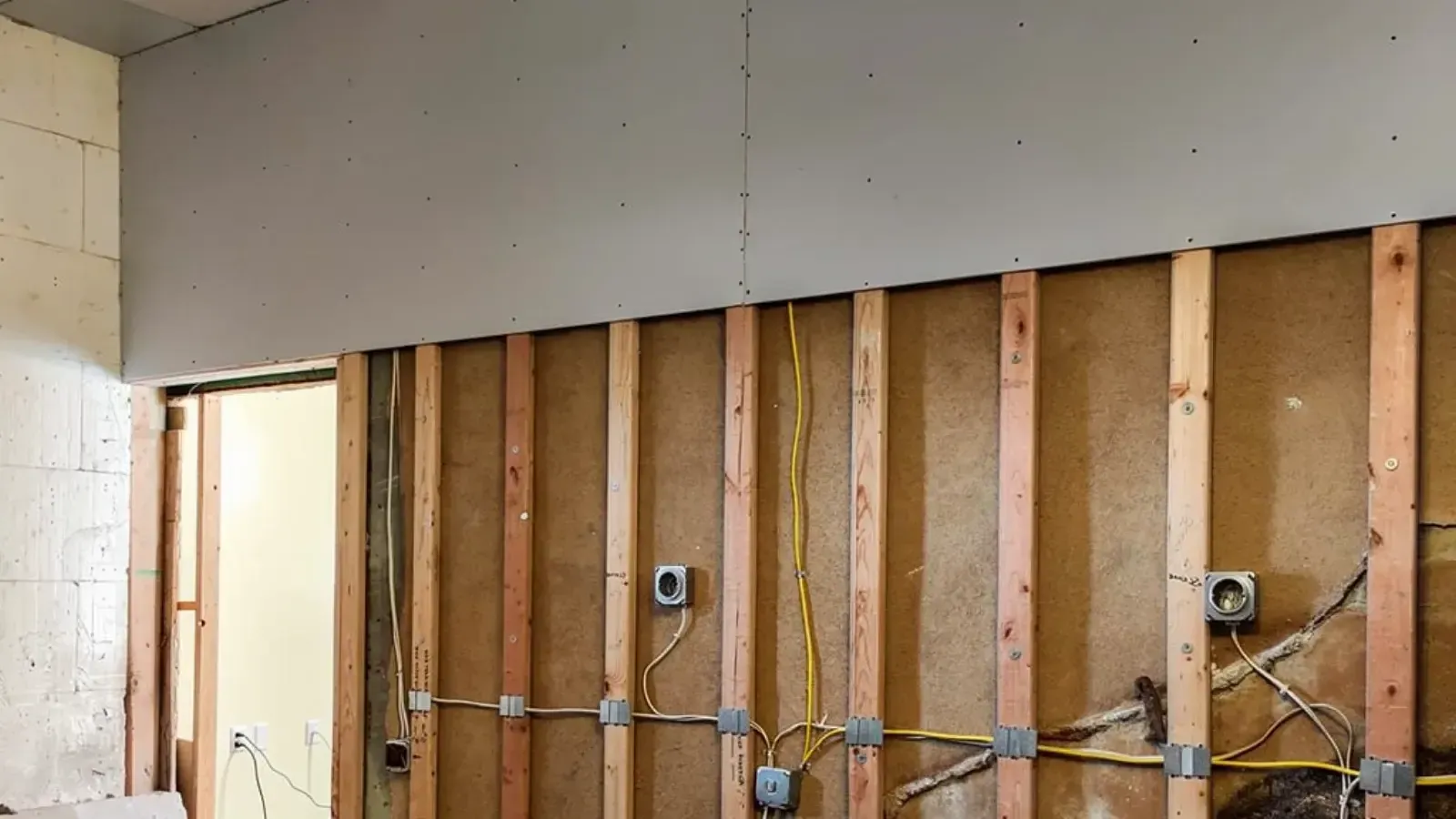
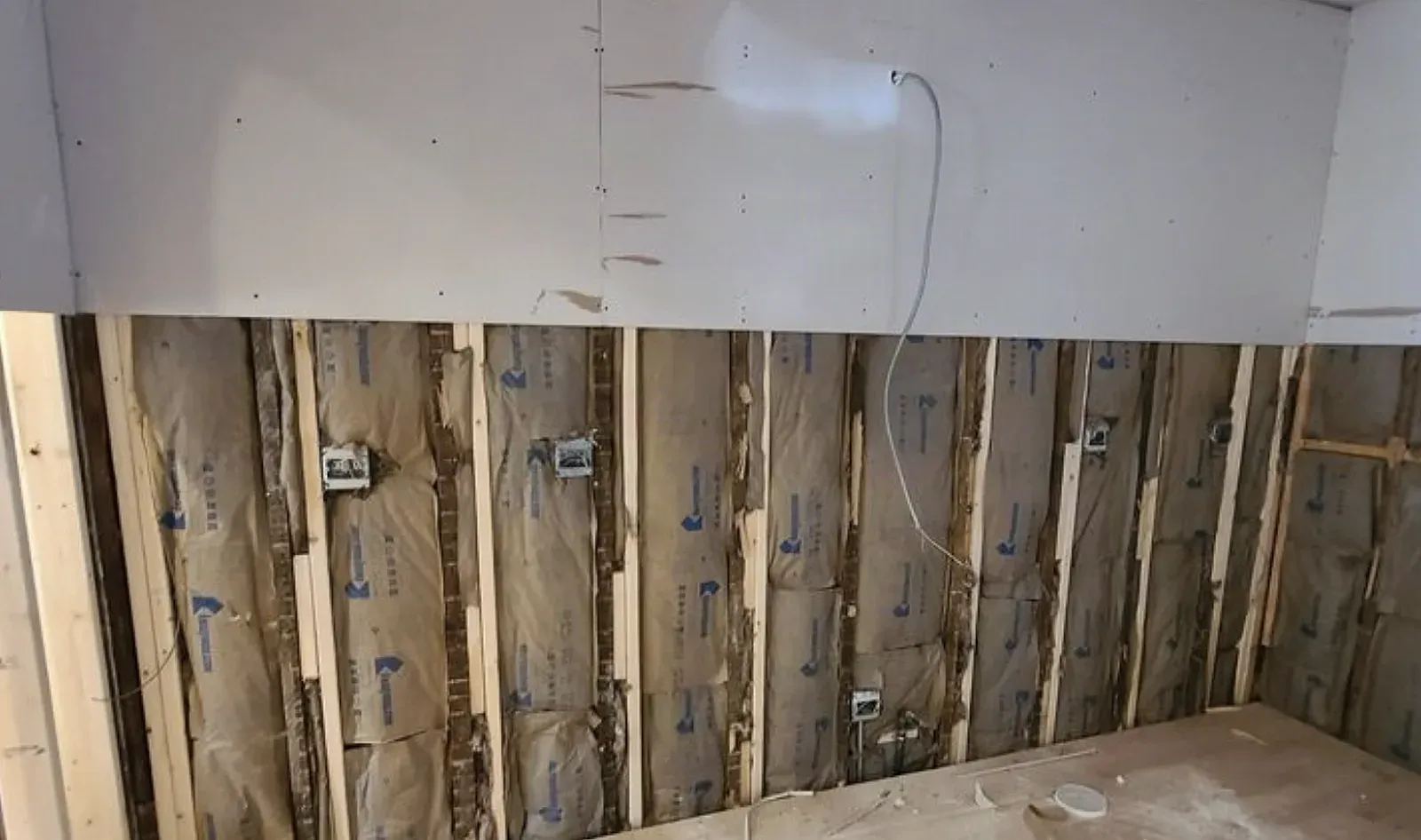
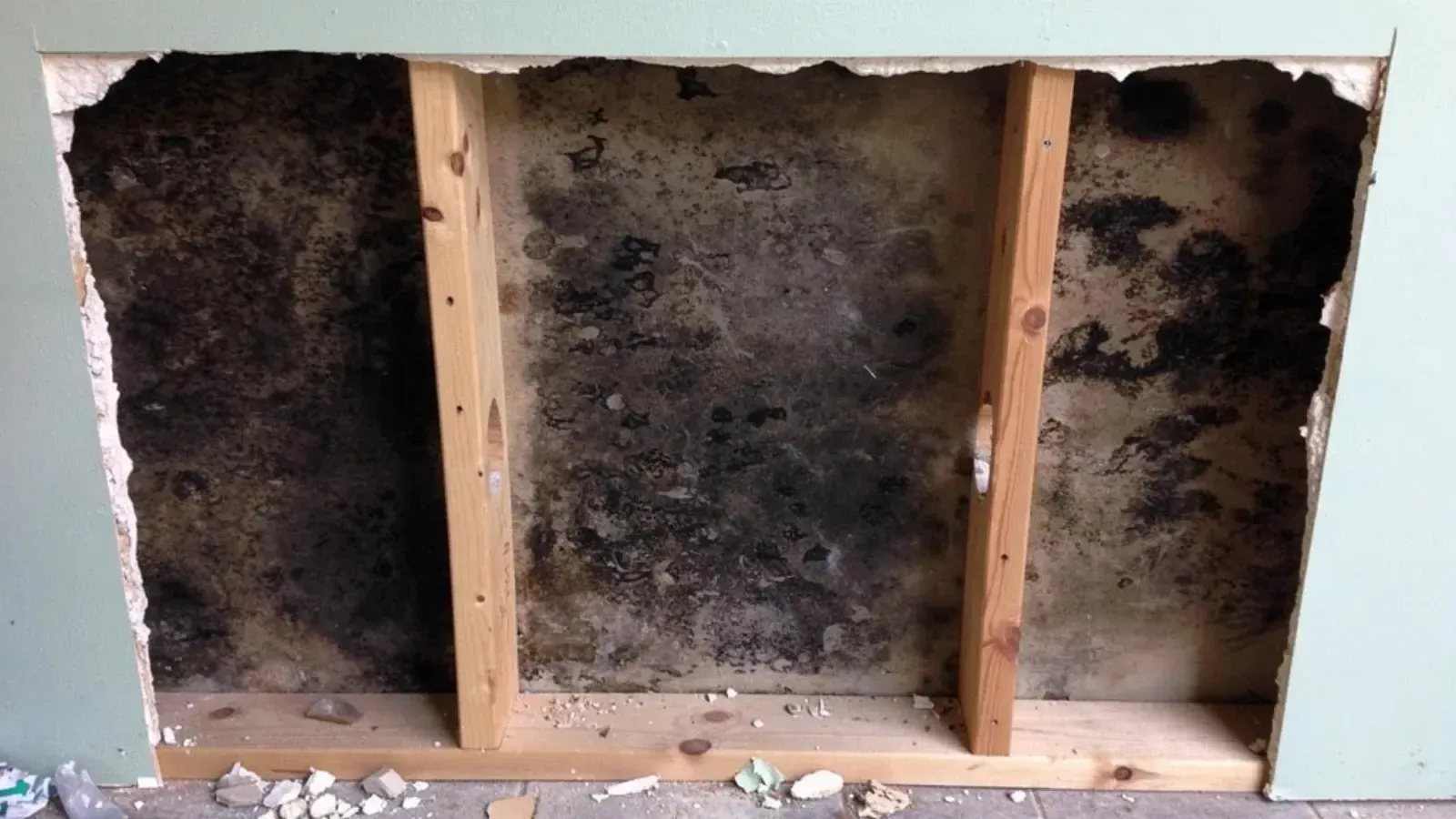
Mold in drywall shows up as black, green, or gray spotting low on a basement wall or behind furniture on a cold outside wall, a musty smell that cleaning never clears, and sometimes congestion or allergy-like symptoms that ease when the house is empty. By the time it is visible, the mold has usually grown into the paper face and core of the board, where wiping the surface cannot reach it. Lynn Drywall & Plaster removes the colonized drywall, contains the area so spores do not travel through the home while it comes out, and rebuilds with mold-resistant board so the problem is less likely to return.

The removal is only half the job. New board over a wall that is still getting wet simply grows mold again, so the crew finds and calls out the moisture source before rebuilding, whether that is a damp below-grade basement, condensation inside a cold exterior wall, or a slow hidden leak that stayed wet long enough for the cavity to colonize. In a damp space the rebuild uses mold-resistant board, and cement board where the wall meets grade.

This is a common call across Lynn's older housing: damp basements throughout the city, the dense Brickyard triple-deckers and two-families where rental turnover and tenant health complaints drive fast turnarounds, and exterior walls in West and East Lynn where old insulation and cold framing feed condensation. Heavier or health-sensitive growth is coordinated with a licensed remediation firm, and the drywall scope picks up the clean rebuild once the area is cleared. Throughout, the work is contained and handled promptly rather than left to spread, and the source issue is spelled out plainly so it does not come back.

Replace moldy drywall

Plaster Repair & Plaster-to-Drywall Conversion

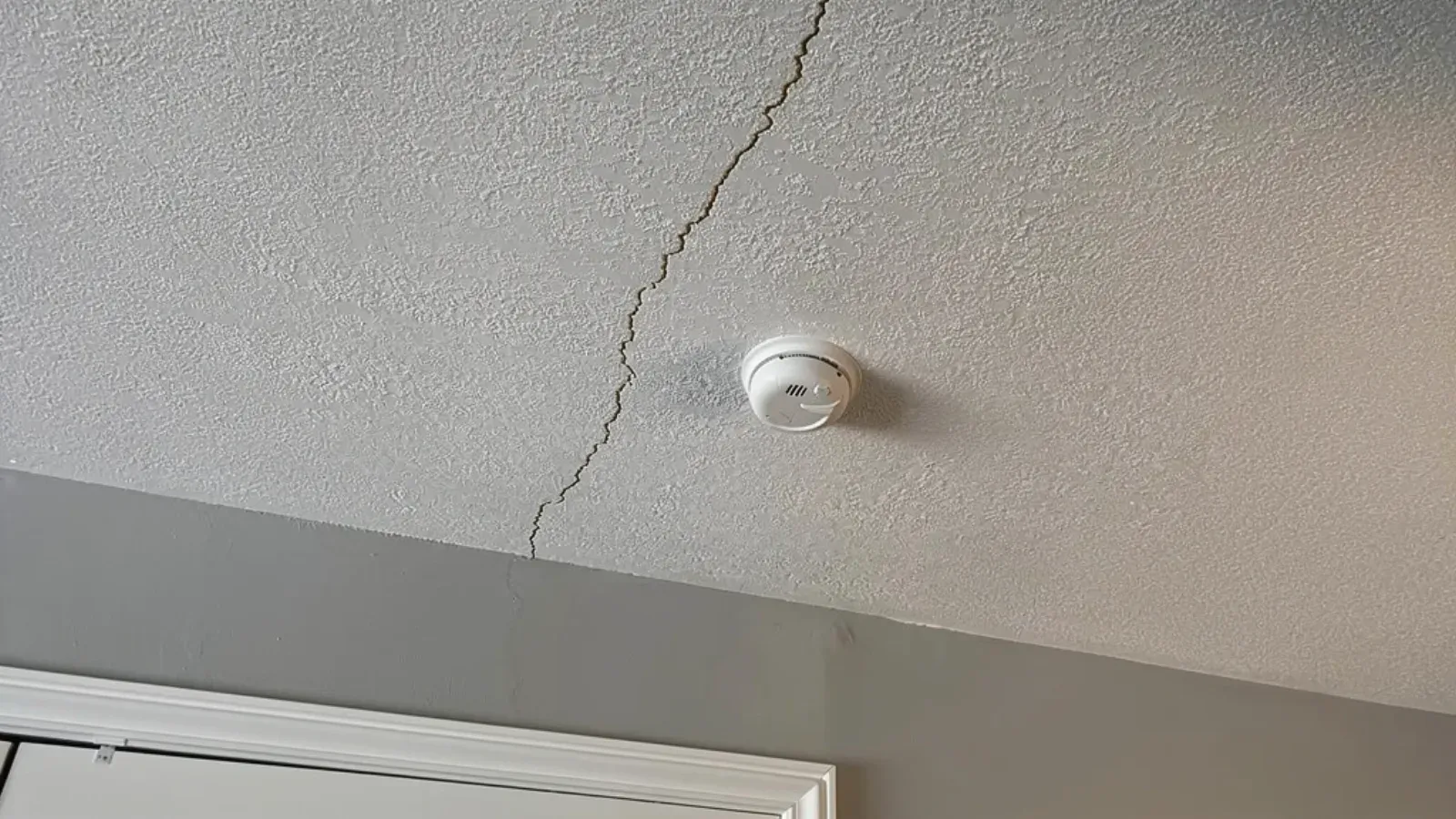
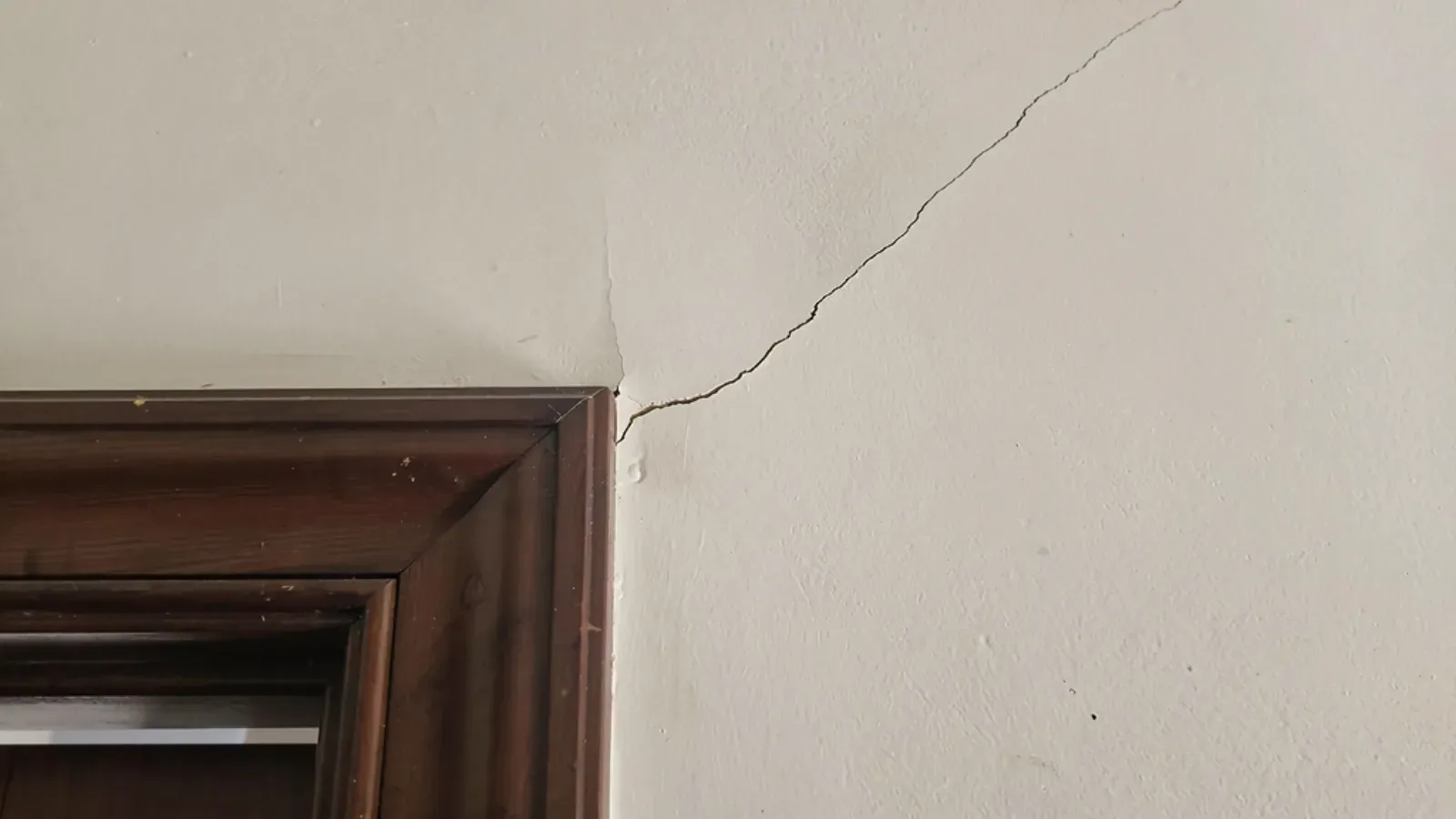
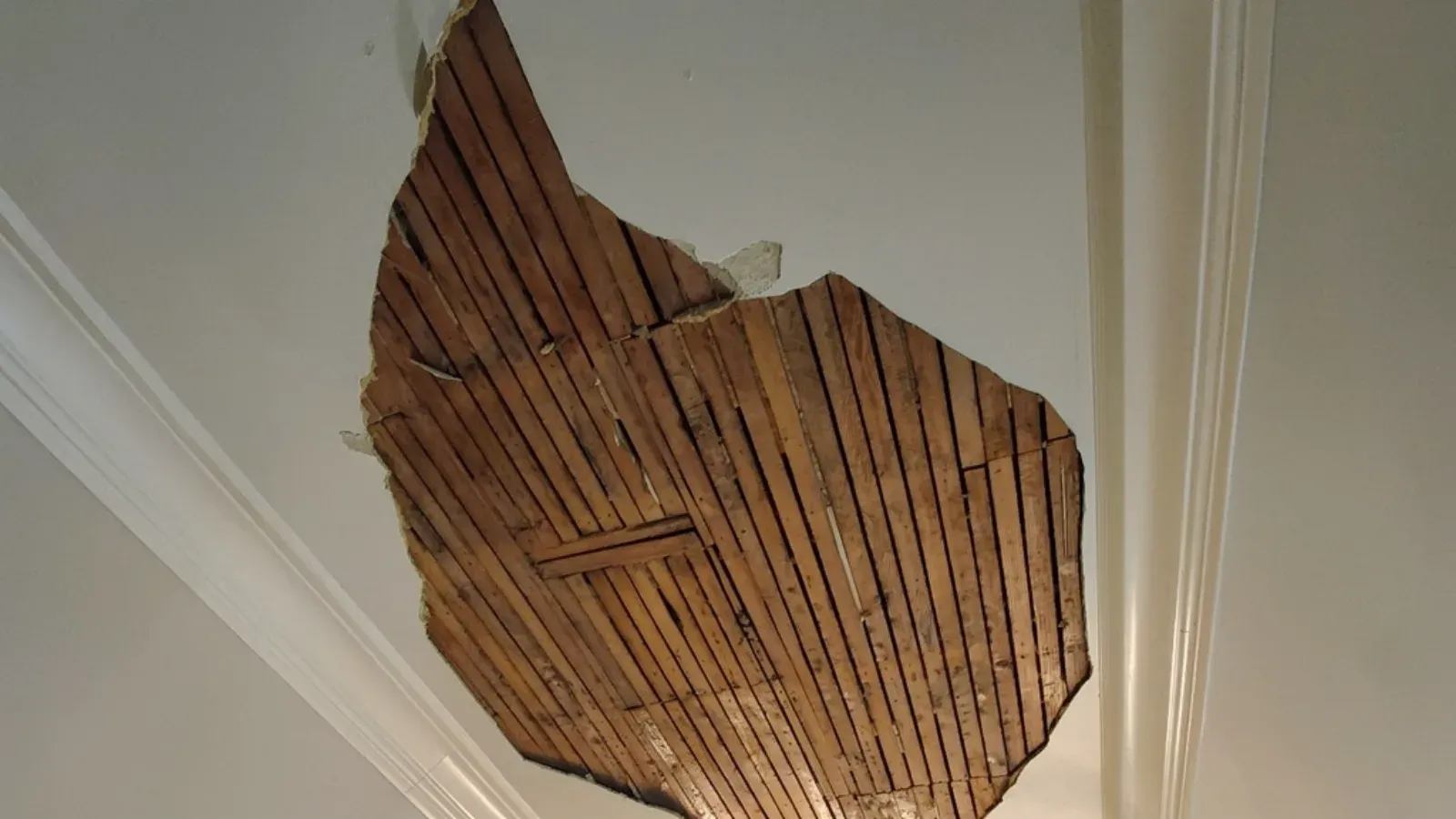
Older Lynn homes were built almost entirely in lath and plaster, and after a century that surface starts to fail: long cracks return no matter how many times a wall is painted, plaster sounds hollow and flexes under a hand, and ceilings begin to belly where the plaster has lost its grip on the wood lath. Lynn Drywall & Plaster fixes this two ways. Where the plaster is still mostly sound, the crew re-anchors it to the lath, cuts and keys the cracks so they stop returning, and skim-coats the whole wall or ceiling smooth. Where it has failed widely, the old plaster and lath come down and new gypsum board goes up in its place.

The right call depends on how much of the surface is still bonded and how much the owner values the original character. A preservation-minded owner in the Highlands or Wyoma often wants a historic-sensitive skim that keeps the plaster, while a renovator gutting a room usually prefers a plaster-to-drywall conversion for a flat, durable finish that takes fixtures and paint cleanly. Either way the finish is worked to the agreed level, from a serviceable Level 4 to a glass-smooth Level 5 skim that reads like original plaster flatness.

Because nearly every plaster home in Lynn predates 1978, old painted surfaces are disturbed under lead-safe EPA RRP practice, with the area contained and cleaned so the dust is controlled. Plaster work is scheduled rather than rushed, though a heavy sagging ceiling dropping material becomes a safety call and moves up the list. Whether the room is being saved or converted, the crew gives a straight recommendation up front, room by room, so the owner knows what is worth skimming and what is better rebuilt before any work begins.

Restore or convert plaster

Water Damage Drywall Repair

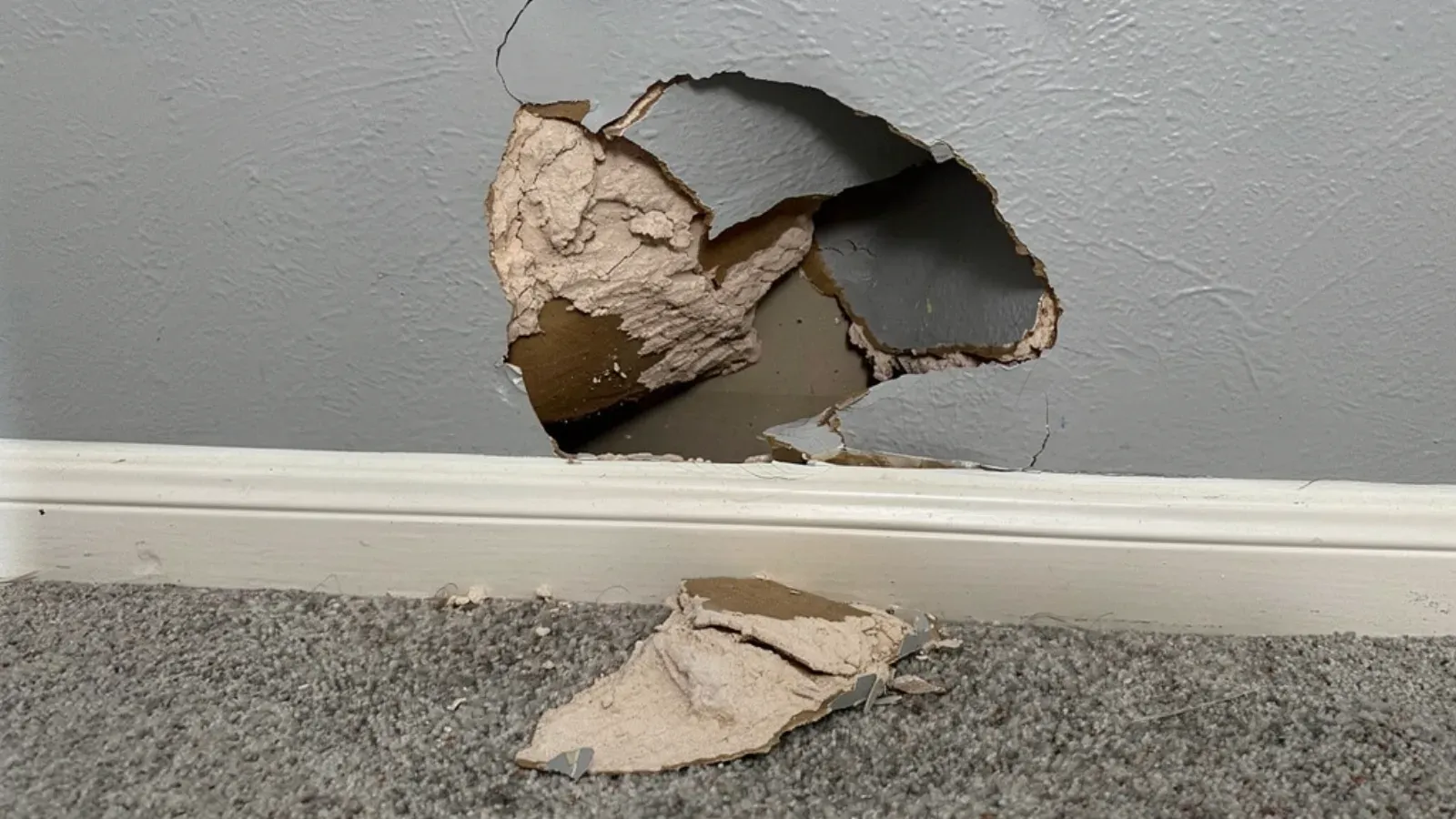
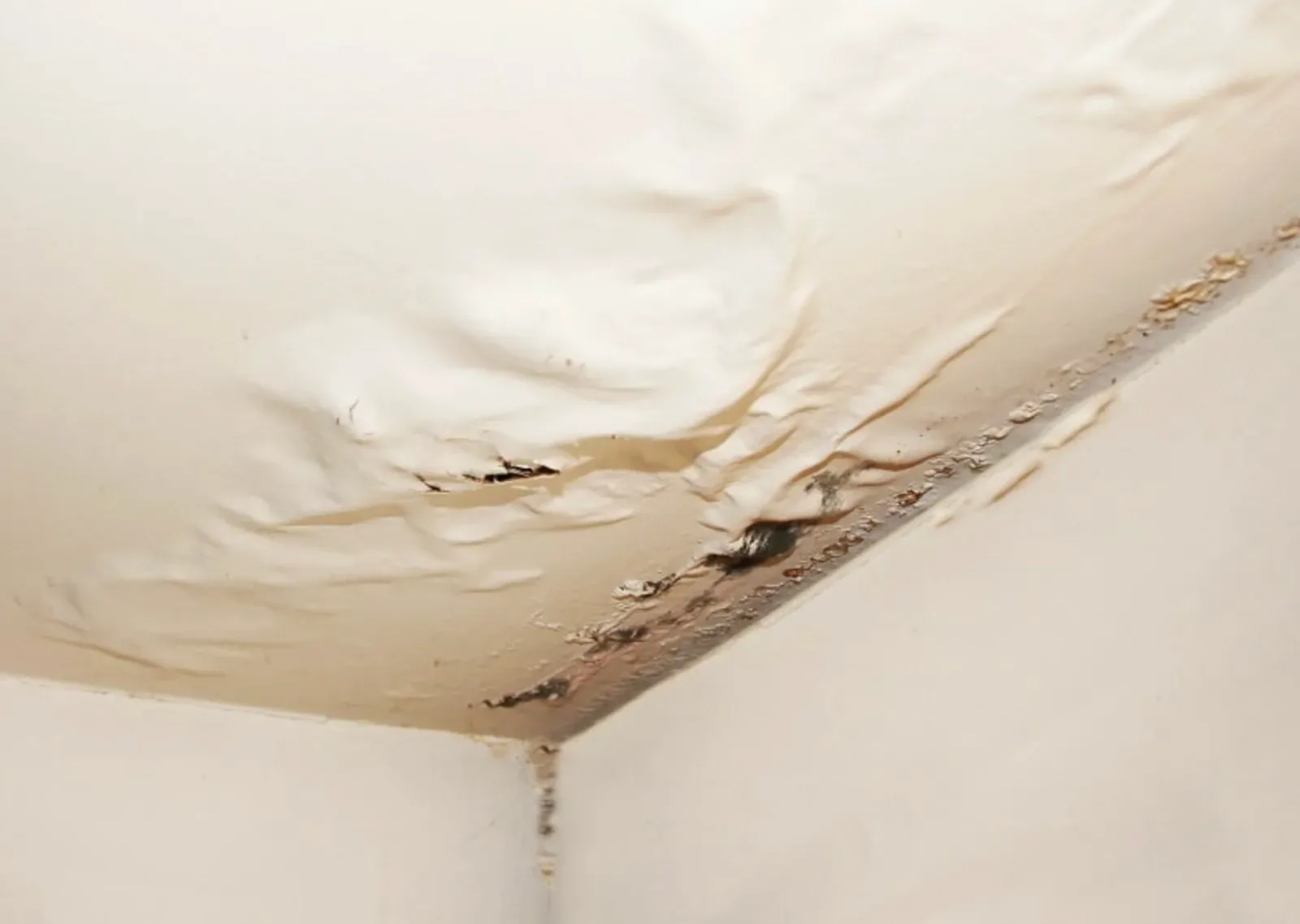
When a pipe lets go overnight or an ice dam pushes water through an upstairs ceiling, the drywall below starts failing fast: a brown ring spreads, the board sags, and the paper face loses its bond within a day or two. Lynn Drywall & Plaster treats this as emergency restoration. The crew removes exactly the board water has compromised, dries and meters the framing behind it, and rebuilds the wall or ceiling back to a clean, paint-ready surface that will not telegraph a stain later.

The work starts with a moisture meter, not a guess. The crew finds where the water came from or confirms the source is fixed, maps the wet boundary on the board and framing, and contains the area before any cutting begins. Compromised board is cut back to sound, dry material, the cavity is dried and re-checked until readings fall below the safe threshold, and new moisture-resistant board goes up, taped and coated to match the surrounding Level 4 or 5 finish and any texture. On pre-1978 homes, disturbed old paint is handled lead-safe under EPA RRP practice.

Lynn's housing makes this a recurring call. The grand pre-1939 Victorians of the Diamond District carry century-old plumbing and long roof runs that feed slow ceiling leaks, while the low-lying Lynnway corridor and the tidal edges near the waterfront see storm-driven and groundwater intrusion that keeps landlords turning wet units around between tenants. For anyone working an active insurance claim, the crew repairs to the adjuster's scope and documents the moisture readings so the paperwork holds up.

That documentation thread runs through every claim job: readings taken at diagnosis, verified again before the cavity is closed, and handed over for the file at walkthrough, so the repair is defensible and the unit is genuinely dry before it is lived in or re-rented.

Repair water-damaged drywall

Get a fast, no-pressure quote

Call or send a few details — we serve Lynn and the surrounding area.

Call (781) 660-1848

Call Now